Explore Properties For Sale & To Rent

Property Search

Value

Bedrooms

Property Type

Include in Results

Sort By

Radius

Keywords

At Cairn we specialise in Estate Agency and Letting property across both the East & West of Scotland, from Edinburgh to Glasgow. Our trusted property agents can assist you with anything from offering you property advice on selling or letting your property to property investment advice for people wanting to enter the property market. We offer no obligation, free property valuations and are the perfect choice for all property enquiries in Scotland.


An estate agent and letting agent for investors

Whether you are a first-time property investor or have a large property portfolio our team can guide you through the process in order to maximise your returns. Founded in 1999, Cairn is a team of specialists in residential property investment. Managing Director David Rowand saw that his estate agency clients could benefit from more than sales or purchase advice and help with negotiation. Property assets could deliver more return with the right development, refurbishment, letting management and property maintenance programmes. We are ‘The Investor’s Agency’.

Tenants & HMO

Building relationships with our tenants is key, in order that the tenancy runs as smoothly as possible. That’s why our tenants return term after term. We have specialised in HMO since 1999 and this is one of our areas of expertise. From HMO application guidance, fire-training to full property management or refurbishment we have built a team who can deliver under your obligations as an HMO licensee and landlord.
Landlords

Our professionally qualified team can offer you a bespoke letting service, from full management to tenant find only. Whether you have one property, large portfolio or serviced accommodation we’ve got it covered. Keeping you informed is key whether just to let you know an inspection has gone well, or advising you if some work is needed to maintain your investment. Our team are on hand to guide you through the process.
Estate Agency

Property can be personal and we take that responsibility seriously. We cover central Scotland offering FREE, no obligation, market appraisals, from your own home to your tenanted property our experienced team will market on all major portals and negotiate your property to get you the best price to meet your expectations. Agency means standing in our client’s shoes and Cairn takes that responsibility seriously.

Arrange a Free Valuation

Whether it is a sales, lettings or HMO valuation our dedicated, well qualified team will be more than happy to conduct a FREE appraisal of your property.

The latest property news & information from a trusted source.

Explore a range of interesting articles here:

HMO licensing

HMO Licensing in Scotland: What Landlords Need to Know in 2026

HMO Licensing in Scotland: What Landlords Need to Know in 2026 HMO licensing is one of those areas that can feel more complex than it needs to be. For landlords, it’s not just about meeting requirements. It’s about understanding how to manage a shared property properly, keep standards consistent, and avoid issues further down the line. At Cairn, HMO licensing is something we deal with regularly, and it’s where having the right structure in place from the start makes a noticeable difference. What HMO licensing is really about At its core, HMO licensing is there to ensure that shared properties are safe, well maintained, and suitable for multiple occupants. That covers things like: property condition safety measures overall management standards It’s not just a one-off process. It’s ongoing. As Carolanne Waters, HMO Licensing Specialist at Cairn, puts it: “HMO licensing isn’t just about meeting a checklist once. It’s about maintaining a standard that tenants can rely on every day.” Why getting it right early matters Many of the challenges landlords face with HMOs come from trying to adjust things later. Properties that are set up correctly from the outset tend to: pass inspections more smoothly attract better tenant groups run with fewer day-to-day issues Taking a reactive approach often leads to delays and additional work. Compliance doesn’t need to be complicated There’s a perception that HMO licensing is overly complex. In reality, it becomes manageable when broken down into clear steps. As Carolanne explains: “Once landlords understand what’s expected and why, the process becomes much more straightforward. It’s about clarity, not complexity.” Having a clear plan and knowing what needs to be in place removes a lot of the uncertainty. Property standards play a central role The condition and layout of the property are key factors in licensing. That includes: safe and usable shared spaces appropriate facilities for the number of tenants a layout that supports shared living Where these elements are in place, the process tends to move more smoothly. Management is just as important as the property Licensing isn’t only about the physical space. How the property is managed day to day plays a big role. That includes: communication with tenants handling maintenance keeping everything consistent As Carolanne notes: “A well-managed HMO is usually easy to spot. Everything runs in a structured way, and tenants know what to expect.” Ongoing support makes a difference For many landlords, the biggest benefit comes from having the right support in place. Managing licensing, maintaining standards, and keeping everything aligned can take time. Having a structured approach helps keep things simple. HMO licensing doesn’t need to be a barrier. When it’s handled properly, it becomes part of a well-run property rather than an obstacle. If you’re managing an HMO or considering one, Cairn can guide you through licensing and ongoing management with a clear, practical approach.

Tenants

Lithium Battery Safety in Rental Properties: What Tenants and Students Need to Know

Lithium Battery Safety in Rental Properties. What Tenants and Students Need to Know Lithium batteries are now part of everyday life. Phones, laptops, e-bikes, vapes, portable chargers. Most tenants will have several in their home without thinking twice about it. The issue is, when something goes wrong, it tends to go wrong quickly. Recent incidents, including the fire at Glasgow Central Station, have brought the risks into sharper focus. For tenants, particularly those living in shared flats or HMOs, it’s worth understanding how to use and handle these batteries properly. This isn’t about avoiding them. It’s about using them safely. Why lithium batteries can be a risk Lithium batteries store a lot of energy in a small space. When they’re damaged, overcharged, or used incorrectly, that energy can be released suddenly. That’s when fires can start. In shared properties, the risk is amplified slightly. More devices, more chargers, and more people using them in different ways. Vapes & Lithium battery safety Vapes are one of the most common sources of lithium batteries in rental properties, particularly in student lets and HMOs. While they’re small, they still carry the same risks as larger devices if damaged or used incorrectly. Issues tend to arise when the wrong chargers are used, devices are overcharged, or lower-quality or counterfeit vapes are brought into the property. It’s important to use the manufacturer’s charger, avoid leaving vapes charging unattended, and stop using any device that becomes hot, swollen, or damaged. Disposable vapes should never be thrown in general waste, as they still contain lithium batteries and can cause fires in bins or refuse areas. Taking a bit of care with how vapes are charged, stored, and disposed of helps reduce risk not just for the individual, but for everyone in the property. Charging habits matter more than people realise Most issues start during charging. Leaving devices plugged in overnight, using the wrong charger, or charging on soft surfaces like beds or sofas can increase the risk of overheating. A safer approach is simple: use the correct charger for the device charge on a hard, flat surface avoid leaving devices charging unattended for long periods It’s not complicated, but it does make a difference. E-bikes and larger batteries need extra care E-bikes and scooters are becoming more common, especially with students and city-based tenants. Their batteries are larger and carry more energy, which means: they should never be charged in escape routes like hallways they should be kept away from doors and exits they should only be charged using manufacturer-approved equipment If something goes wrong, access in and out of the property needs to remain clear. Storage should be considered, not convenient It’s easy to leave devices wherever there’s space, but where batteries are kept matters. Avoid: placing batteries near heat sources storing damaged or swollen batteries keeping them in cluttered areas where they can’t be seen A clear, ventilated space is always better than somewhere tucked away. Disposal is where problems often happen One of the most overlooked risks is how batteries are disposed of. Lithium batteries should never be: put in general household waste damaged before disposal left loose in bins Instead, they should be taken to designated recycling points. Most supermarkets and local recycling centres accept them. Incorrect disposal can lead to fires in bin stores or refuse vehicles, which is becoming more common. Shared responsibility in HMOs In HMOs, safety isn’t just individual. One person’s habits can affect the whole property. Being aware of how devices are used, where they’re charged, and how batteries are handled helps reduce risk for everyone living there. It’s about being mindful, not restrictive. Lithium batteries aren’t going anywhere, but the way they’re used makes all the difference. If you’re unsure about safety within your property, Cairn can provide guidance to help tenants and landlords keep things safe and straightforward.

Landlords

A Landlord’s Guide to Getting a Property Let Quickly in Scotland

A Landlord’s Guide to Getting a Property Let Quickly in Scotland Getting a property let quickly isn’t about rushing. It’s about doing the right things in the right order. Across Glasgow and Edinburgh, we’ve worked with landlords for over 26 years. The pattern is consistent. Properties that are prepared properly, priced correctly, and marketed well don’t sit empty. Those that miss one of those steps tend to lose time, and often money with it. Start with preparation, not marketing The biggest mistake we see is landlords going to market before the property is ready. That usually leads to: Poor first impressions Low initial interest The need to relaunch later Instead, focus on getting the property fully prepared before it’s listed. That means clean, functional, and ready to be viewed at short notice. Pricing sets the pace Pricing isn’t just about what you hope to achieve. It directly affects how quickly your property lets. A well-priced property: Attracts early interest Generates multiple enquiries Creates momentum An overpriced one tends to sit, even in strong areas. Once that initial interest is lost, it’s difficult to recover without adjusting expectations. Presentation drives enquiries Tenants make decisions quickly. Often within seconds of seeing a listing. Strong presentation includes: Clear, well-lit photos A simple, accurate description No surprises between the listing and the viewing This is where many properties fall short. And it’s usually avoidable. Be ready for viewings immediately Once your property goes live, enquiries can come in quickly, especially in high-demand areas. Delays in arranging viewings often lead to missed opportunities. Tenants will move on rather than wait. Having access arranged, availability confirmed, and flexibility built in makes a noticeable difference. Choose tenants carefully, but don’t overcomplicate it Speed matters, but so does getting the right tenant in place. A clear, consistent referencing process helps avoid delays without lowering standards. It’s about balance. Moving efficiently while still making informed decisions. Consistency across the process From first enquiry to move-in, consistency is what keeps things moving. That includes: Clear communication Prompt responses A structured process Where this breaks down, timelines tend to stretch. FAQs How long should it take to let a property in Scotland? In strong markets like Glasgow and Edinburgh, a well-prepared and correctly priced property can let within days to a couple of weeks. What is the biggest reason properties don’t let quickly? In most cases, it comes down to pricing or presentation. Even small issues in either can slow things down. Should I reduce rent if my property isn’t getting interest? If there’s little or no interest after the first couple of weeks, it’s usually a sign the pricing needs reviewed. Do I need to redecorate before letting? Not always, but the property should feel clean, neutral, and well maintained. First impressions matter. When is the best time to list a rental property? Spring and early summer are typically the busiest, but good properties will attract interest year-round if positioned properly. Is using a letting agent worth it? A good agent can streamline the process, reduce void periods, and help position your property correctly from the outset. If you’re looking to let your property without unnecessary delays, a clear strategy makes all the difference. Speak to Cairn to get your property positioned properly and ready for the market.

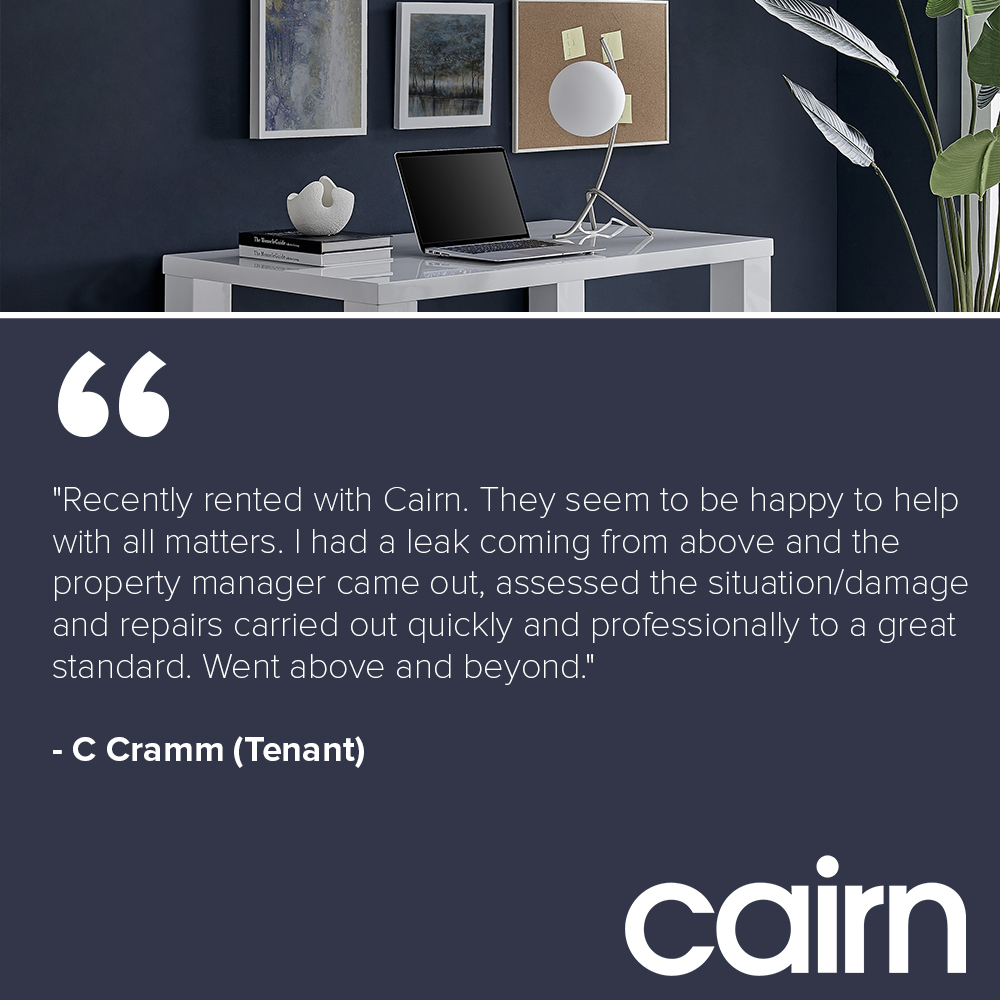
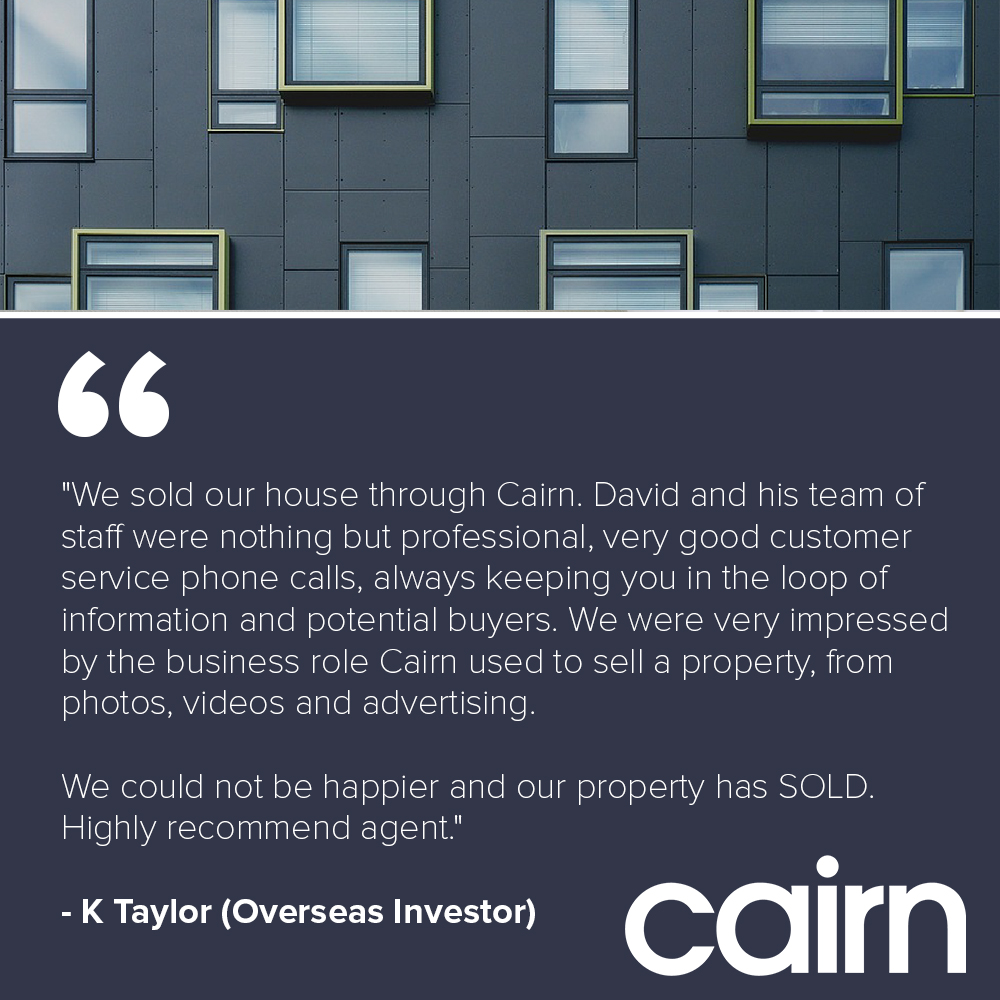
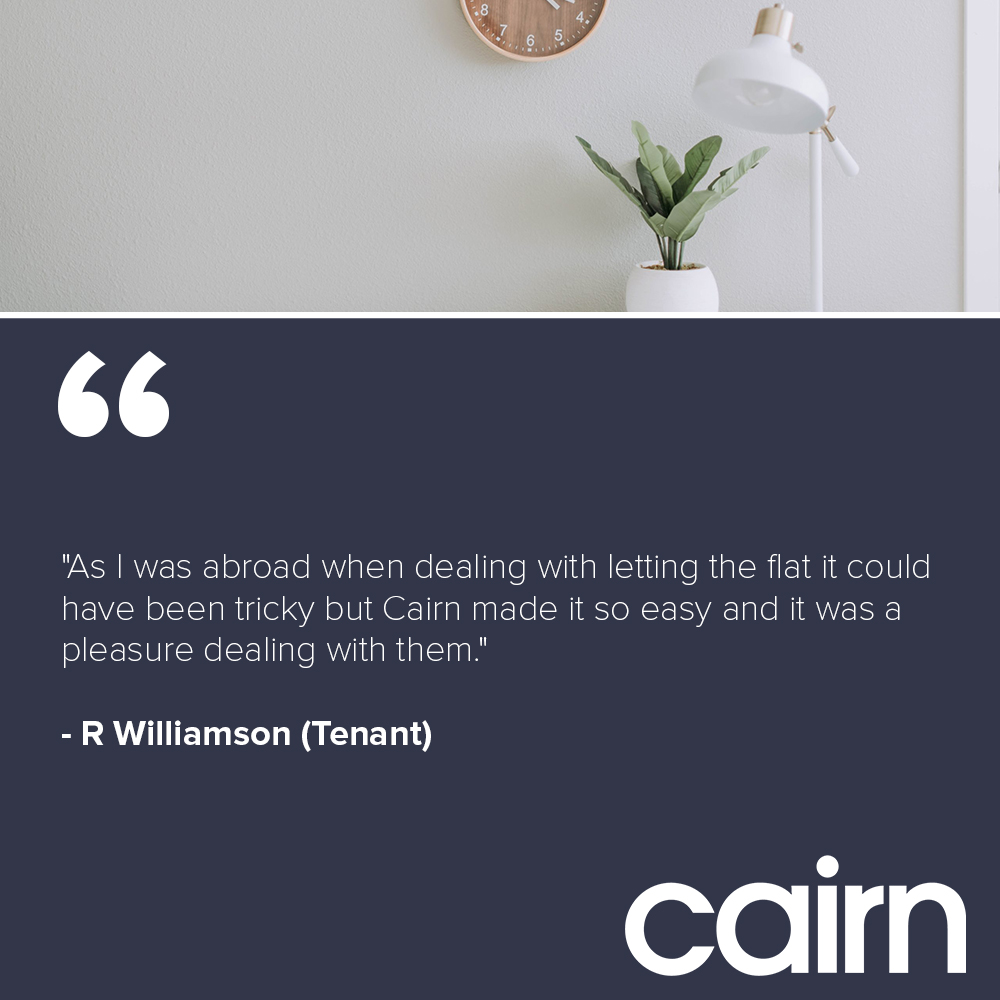
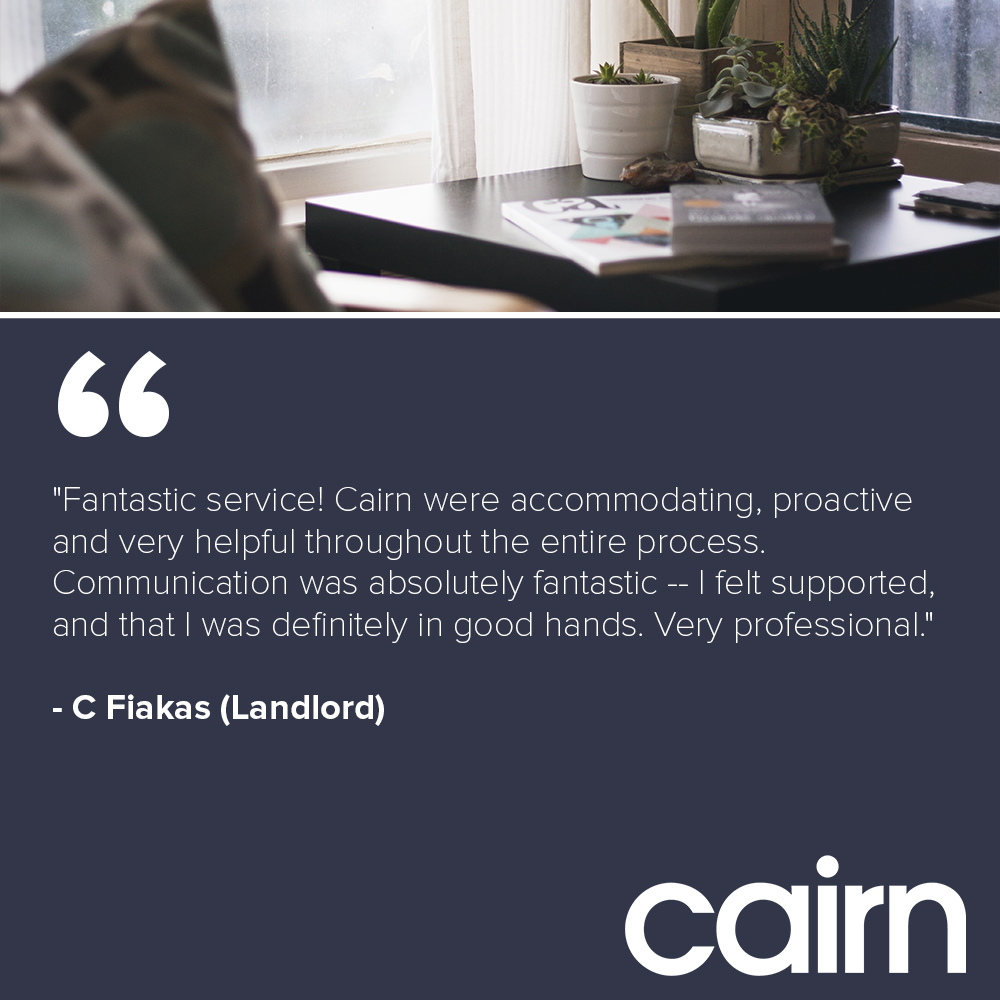
Read & scroll through our latest property testimonials here:

Find our properties on these leading online portals:

Investors
& Landlords

Cairn
Tenants

Community & Partners